


Five Innovative Ways to Optimize Internal Logistics for Manufacturing Excellence
Internal logistics represents one of many variables critical to achieving predictable production performance among manufacturing facilities. In manufacturing environments, internal logistics performance is determined by how effectively materials, inventory, and labor are coordinated on the production floor. When coordination breaks down—through delays in material movement, unclear responsibilities, or missing parts—production slows, operating costs rise, and poorly managed material flow increases variability while limiting the impact of other manufacturing investments.
Top manufacturers address these issues by establishing clear logistics ownership and aligning material movement with production priorities. Targeted improvements in kitting and line feeding, inventory tracking, and scheduling enhance production consistency and minimize disruptions. When internal logistics is managed strategically, it becomes a performance lever that stabilizes operations and strengthens output reliability.
Canon Business Process Services supports manufacturers in applying these innovations by managing internal logistics as a dedicated, performance-driven function. Integrated onsite logistics services empower manufacturers to gain greater control over material flow while allowing production teams to stay focused on core manufacturing activities. This high-impact partnership helps manufacturers strengthen reliability, improve key metrics, and sustain long-term manufacturing performance.
Why Internal Logistics Commands Strategic Attention
Manufacturers face constant pressure to deliver quality products on time while controlling costs, yet internal material movement often operates without strategic design. Unplanned production delays, mismanaged inventories, and labor inefficiencies frequently stem from gaps in internal logistics. When logistics is treated as a loosely managed background function, facilities become vulnerable to errors, disruptions, and process variability.
Material handling directly affects labor allocation, the speed at which lines respond to supply changes, and the accuracy of inventory delivered to production. Tracking material flow optimization, sequencing deliveries, and precisely controlling inventory reduces errors and prevents downtime. Recognizing manufacturing logistics as a managed domain shifts it from a reactive support task to a strategic component of operational performance.
Each facility has unique operational realities, including layout, workforce skills, and production requirements. Logistics solutions must be tailored to these factors to enable teams to stabilize operations, improve inventory accuracy, and increase inventory turnover. Taking a strategic approach to internal logistics in manufacturing lays the foundation for continuous performance improvement and greater predictability in outcomes.
Optimized internal logistics turns strategy into measurable performance on the factory floor, creating an accountable operation where material flow, labor, and information align with production objectives. While technology and digital tools provide visibility, lasting improvements rely on practical, floor-level execution that ensures materials are available, operators work efficiently, and disruptions are minimized. The following five strategies highlight actionable ways manufacturers can strengthen internal logistics, improve reliability, and support high-performing operations.
1. Dedicated Onsite Materials Teams
Most manufacturing facilities have dedicated logistics, materials, or supply chain teams, sometimes supplemented with temporary staff. However, these teams often compete with manufacturing for attention and investment, as expertise frequently stops at the supervisor or material manager level. As a result, manufacturing logistics remains a critical yet under-recognized function.
By centralizing responsibility for receiving, inventory control, line delivery, and other logistics activities, facilities can leverage internal logistics outsourcing for manufacturers to ensure materials are managed proactively and consistently, freeing production staff to focus on core operations and maintain consistent output. Strategically assigned roles and accountability reduce workflow variability and prevent misplaced components. Managing logistics as a measurable function allows production teams to maintain consistency without overflowing inventory tasks to high-cost manufacturing staff.
Facilities that enable manufacturing employees to maximize productive time in their work cells or lines—while logistics roles fully support tools, materials, and waste management—strengthen operational efficiency and reliability. Analytics from operational systems guide dedicated cross-trained logistics teams in adjusting staffing, prioritizing tasks, and refining workflows in real time. This data-driven approach ensures material handling is efficient, responsive to production needs, and consistently aligned with overall manufacturing objectives, improving throughput and supporting production schedules.
2. Optimizing Supermarket and Kitting Operations
Efficient material flow depends on well-designed supermarkets and kitting operations. In manufacturing, supermarkets represent strategically located inventory hubs that store materials near the point of use, enabling operators to access the components they need quickly. Kitting takes this a step further by assembling all necessary parts in the exact quantities and sequence required for production, allowing assembly technicians to work without interruption and in the precise order needed for assembly.
By organizing supermarkets and kitting stations around these principles, manufacturers reduce part-search time, minimize handling errors, and ensure materials reach the line exactly when needed. Strategically positioned inventory hubs make kit assembly more efficient, improve material availability, and support consistent production flow. Streamlined processes, combined with clearly defined staging areas and quality checks, reinforce process discipline and help prevent damage or assembly mistakes.
Thoughtful storage layouts—such as mezzanine or modular designs—shorten pick paths and reduce material travel time. When these physical improvements are paired with enhanced line side presentation, inventory accuracy improves, stock imbalances are minimized, and inventory turns increase, while ensuring materials are consistently available at the production line. Optimizing supermarket and kitting operations in this way transforms logistics into a proactive contributor to operational efficiency, driving faster line feeding, strengthening production reliability, and enabling operators to focus on value-added activities that support overall manufacturing performance.
3. Improving Inventory Visibility Across the Facility
Real-time inventory tracking provides immediate insight into material location, quantity, and status, giving logistics teams the information they need to support uninterrupted production. Warehouse management systems help ensure reorder points are precise and stock levels are optimized, preventing imbalances, reducing errors, and stabilizing material flow across the facility.
Quick access to accurate inventory data improves real-time decision-making and workflow coordination. Logistics teams can respond rapidly to shortages or misplaced components without disrupting operations. Enhanced visibility also provides actionable insights, including the feasibility of production schedule changes, reduced inventory write-offs, just-in-time coordination of material movements, and the ability to optimize staffing and prioritize tasks to support the production schedule.
Linking inventory systems with predictive analytics allows manufacturers to anticipate demand spikes and adjust material staging before shortages occur. This proactive approach further reduces line stoppages, drives error reduction, and balances the labor pool with work demand, ensuring teams are deployed effectively to meet production needs.
4. Aligning Internal Logistics with Production Schedules
Coordinating logistics activities with production plans ensures that materials—individual SKUs, subassemblies, or advanced kit configurations—are delivered exactly when needed. Sequenced deliveries prevent line stoppages and reduce idle labor, turning internal logistics into a proactive contributor to operational efficiency.
This alignment improves collaboration between logistics and production teams. By timing deliveries to align with line priorities, manufacturers maintain material availability, improve production consistency, and reduce output variability. Planning material movement around production schedules accelerates workflow while keeping operators focused on value-added activities, rather than waiting for components.
Integrating logistics with production planning software allows for automated adjustments when schedules change. This responsiveness further stabilizes operations, reduces manual interventions, and increases on-time material delivery percentages, ensuring that production lines—regardless of how they’re supplied—can operate smoothly and reliably.
5. Integrating Safety and Training Into Internal Logistics Design
A safety-focused approach to internal logistics minimizes incidents and protects skilled labor, keeping lines running without interruptions. By incorporating safe material handling, clear traffic paths, and equipment protocols, manufacturers reduce risk while maintaining consistent throughput. Proactive safety measures stabilize operations and protect production schedules.
Embedding safety protocols into layouts and workflows strengthens continuity and supports predictable material flow. Facilities maintain high production output while reducing errors and accidents. Safety-conscious manufacturing logistics drives reliability and preserves operational capacity.
Equally important is embedding structured training programs alongside safety protocols, so operators understand not only how to work safely but also how to follow standardized workflows, use equipment efficiently, and respond to disruptions or exceptions. Training reinforces consistent execution, reduces errors, and ensures employees maintain high performance even as processes or production demands evolve.
Routine safety audits and operator training programs can further reinforce safe behaviors while identifying workflow inefficiencies. This integration protects personnel and ensures smooth material handling, supporting higher uptime and consistent line performance. By combining safety and training into internal logistics design, manufacturers create a resilient, high-performing workforce capable of sustaining reliable production day after day.
Comprehensive Internal Logistics Solutions Tailored to Your Operations
Implementing innovations within a manufacturing facility requires more than following a standard playbook. Unique workflows, facility layouts, and staffing constraints are only the starting point. Achieving reliable, high-performance manufacturing demands logistics solutions designed specifically around a facility’s operational requirements and production goals.
Canon Business Process Services embeds skilled logistics experts, proven frameworks, and onsite operational oversight directly into the facility, managing internal logistics as a unified, accountable function. Combining best practices with tailored solutions enables us to deliver measurable and sustainable improvements that position manufacturers at the leading edge. Canon’s results-driven initiatives assess facility constraints and existing material-flow patterns to design solutions that evolve as manufacturers scale.
Unlocking Manufacturing Performance Through Strategic Logistics Management
Manufacturers that treat internal logistics as a performance lever gain more predictable production outcomes and strengthen operational resilience. The right combination of skilled onsite teams, tailored processes, and integrated technology enables high-speed, high-quality manufacturing while reducing variability and bottlenecks.
Canon Business Process Services provides leading manufacturers with the expertise and guidance necessary to implement these innovations effectively, translating logistics improvements into measurable gains. Contact us today to learn how a structured, performance-driven approach to internal logistics can transform your operations and support sustained facility performance.
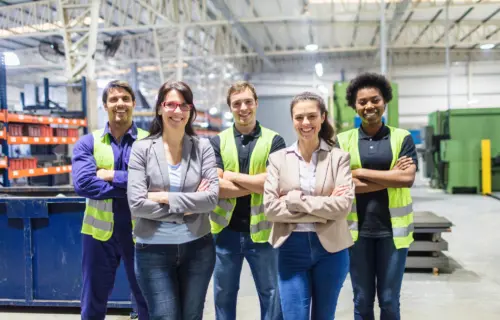
Learn how manufacturers address the labor shortage by stabilizing materials handling and internal logistics through managed service models.

Discover how digital transformation and outsourced internal logistics help manufacturers modernize operations, scale efficiently, and overcome labor constraints.

See how data and analytics improve manufacturing productivity by increasing visibility, optimizing warehouse operations, and strengthening internal logistics.
Learn how manufacturers improve accuracy, reduce costs, and boost throughput by optimizing internal logistics and plant operations with an onsite 3PL provider.